
Of Logs and Specks (splinters)

Why do you look at the speck that is in your brother’s eye, but do not notice the log that is in your own eye? Or how can you say to your brother, ‘Let me take the speck out of your eye,’ and behold, the log is in your own eye? You hypocrite, first take the log out of your own eye, and then you will see clearly to take the speck out of your brother’s eye.” Matthew 7:3-5 (NASB)
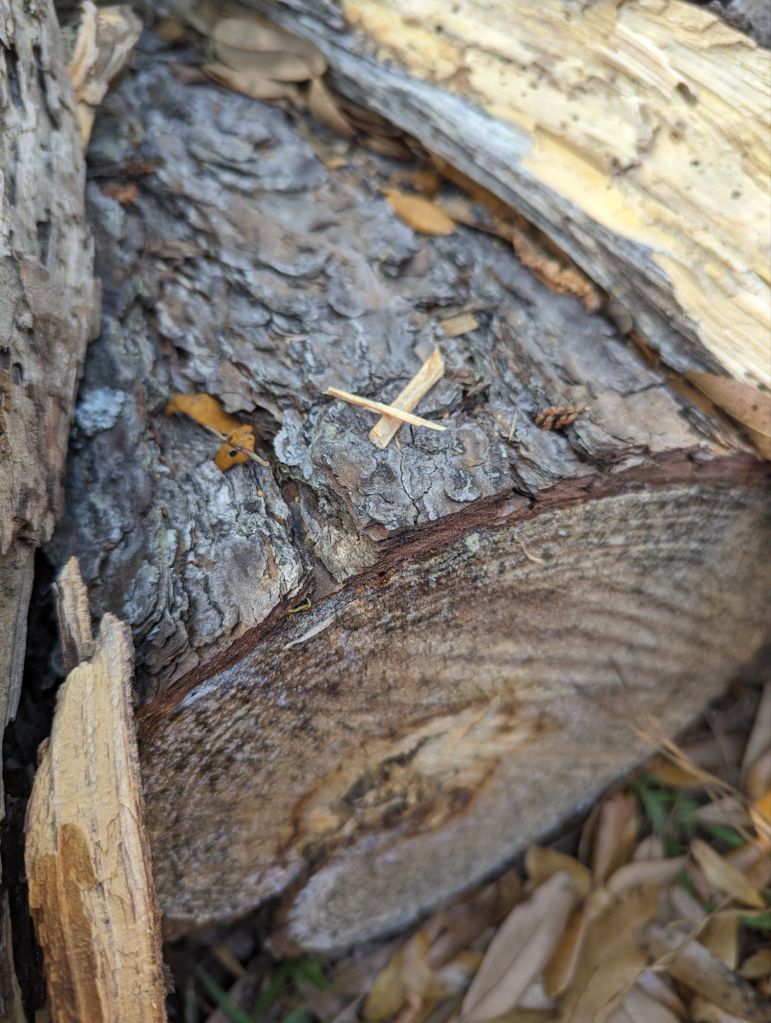
Sometimes I can get wrapped up pretty tight thinking about what others are doing that I feel like are wrong or offensive to me. It’s not something I am proud to admit, but I have to be honest with myself and with others.

Lately, I have been in a bit of a spiral about how someone I love has been knit-picky, argumentative, forgetful and generally getting under my skin (the world according to me). Thankfully, I have a child who doesn’t mind calling me out respectfully and also is full of wisdom. She reminded me of a few things and perhaps the key thing was that I actually have control of what my reactions can be and that it is important to choose not to get into conversations that I know are going nowhere fast. She also reminded me that some people are not going to change but we can change how we interact with them. Then finally she reminded me that I am also at a point in life where my perspective has changed due to aging and general life living. She did not directly point me to the text above, but when we finished talking, I felt better but I was also reminded that perhaps I have been very busy trying to remove a speck/splinter from someone else’s eyes while I was walking around with a log in my own eyes. It was a humbling but necessary talk and text for me.

We can easily decide what someone else should or should not be doing in their lives. We can make snap decisions about another person based on their appearances and their actions without once taking into consideration the how or why of their life story. Few and far between is the person who does not do this even a little bit. I hear it and see it almost daily. Even though I worked for twenty-five years in the court system and grew to understand that “there but for the grace of God, go I” as I listened to countless stories and cases, I can also fall into the habit of seeing the specks and ignoring the log. I can be prone to correcting people’s words, or expressing what I think people’s motivations are when I really don’t know. My work life experiences has put a level of cynicism in me that I am aware of and constantly trying to overcome, so when I hear it coming from someone else, it can irritate me. I don’t necessarily like to be corrected either. These are little things perhaps, but left uncheck they can quickly spiral into a very judgmental attitude that I recognize is not pleasing to God. He is the one true Judge of all, so my two-cents really don’t mean all that much.

I took a walk after that good conversation and all the above began to filter into my mind. That’s the way the Spirit works, He brings to our memory the commandments we need to successfully live out our faith. As I walked, I began to realize that some of the very things I was complaining about, I was engaging in as well. I had to have my personal confessional moment, get my heart re-set and begin again. I have a different approach right now, that I am praying the Lord will help me to continue with. I am also realizing that now I see I have a log in my own eyes that I am working to get rid of, I am not so inclined to even attempt to handle someone else’s speck. I think Jesus knew that when He gave this teaching. Furthermore, the idea of being a hypocrite is motivation enough for me to be on a continual search for my own logs and to let others handle their specks.
Touching the Stones

So Joseph made the Israelites swear saying, “When God comes to you, you shall carry up my bones from here.” Genesis 50:25 (NRSVue)

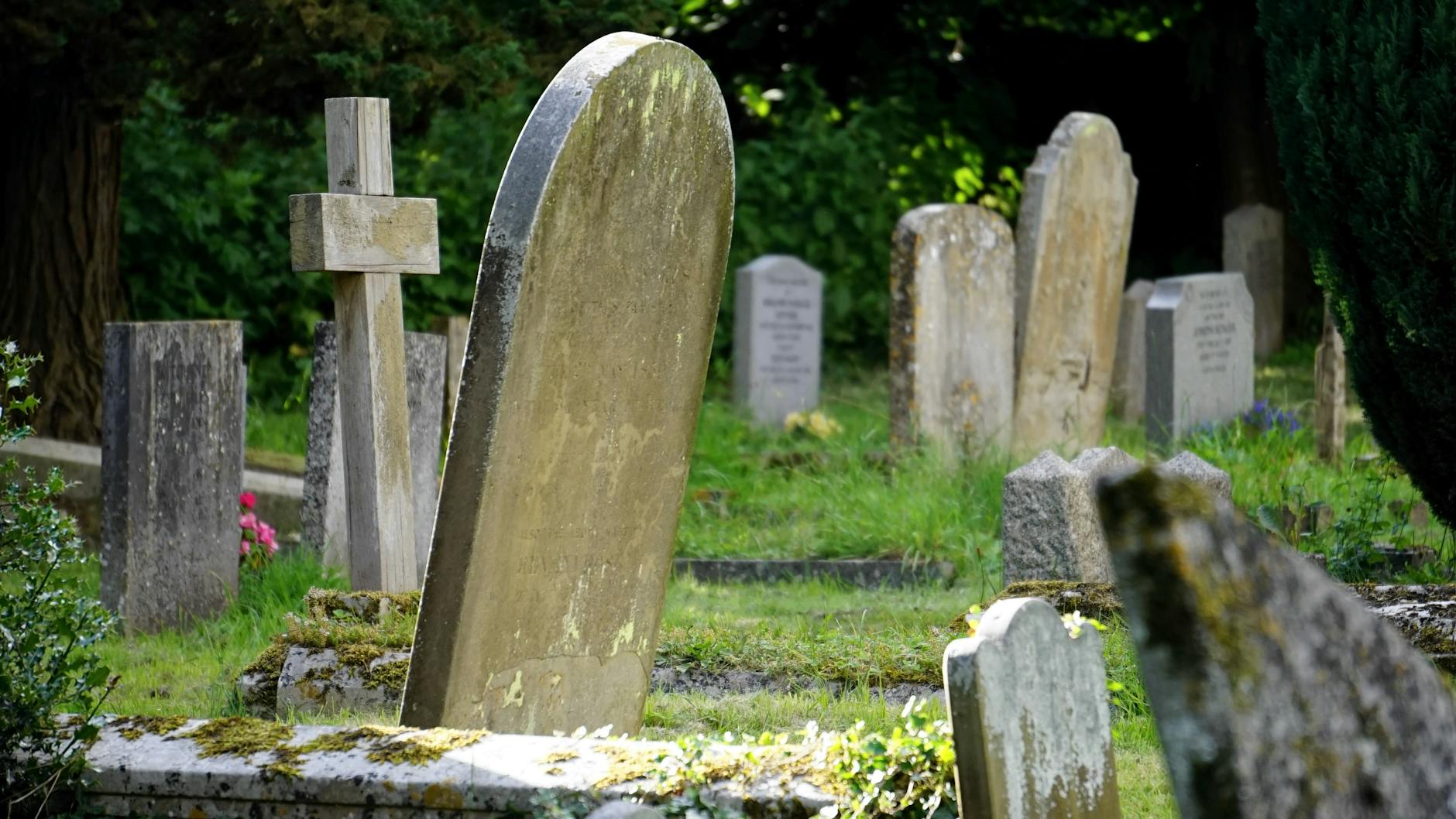
Photo by Mike Bird on Pexels.com

There I stood in the heat of a hot Texas day, standing on a parched plot of grass, reading the headstones of ancestors I vaguely heard about, often with a tone of scorn. I went looking for my grandparents’ graves and discovered they were in a plot of many others whom had forged a way in the Texas wilderness in the 1800’s and made it their home. Among them were my great grandfather, great grandmother, a great great grandmother along with other relatives. I was told that they were missionaries many of them and indeed, I found stones of those who were either ministers or founding fathers of the local church, the one my grandparents were a part of and the one my own father grew up in but departed as soon as he reached adulthood. Also nestled in a plot in front of my grandparents’ was a small headstone with a lamb on the top. I quickly realized that this was the baby girl I was told was a still birth. The headstone told me something else. She had lived three short days and she had a name. No one mentioned this in my growing up. She was a blip in the family history that was rarely talked about. I confirmed later from my aunt, that she also did not know about the grave until she was an adult. She discovered it while helping my grandmother clean the plot. Even then, some thirty years later, my grandmother was unable to talk about her grief and pain in that moment. Apparently she took it to her own grave, a story untold.

As I stood there, surveying the plot, taking in the history that was before me etched into each one of those headstones, I found a spiritual root I did not know I had been disconnected from. While I heard about these ancestors, they were stories disconnected from my own reality in which church was not the norm and often referred to in only the most negative of terms. I don’t know why that was and the ones who would know are all gone now. So when I embarked on my own spiritual journey, later becoming a minister and pastor in my denomination, I felt like I was the odd one, the one out in left field that no one comprehended or understood. Now I was standing on the holy ground of my ancestors. Their faith seemed to be rising up from the ground to meet me and greet me. I was compelled to touch their stones and receive their blessings towards me. It was a surreal experience, difficult for me to convey, but powerful just the same. While we may have had or have differing theological views, I still knew I was among my people, a people of faith in the same God and Savior. Touching their stones not only was a confirmation and affirmation of my own faith walk, it felt like a transference from generation to generation even though there were a few skips in the generations.

Joseph seemed to know the importance of this transference. In the closing sentences of Genesis, his life was coming to an end. He had been born in the Promised Land, but spent the majority of his life in Egypt. He could foresee the enslavement that would happen to his people but he also saw the day when God would deliver them from that captivity. He insisted, made the people swear to him, that when God would show up and deliver them from Egypt, his bones were to be transferred back to the Promised Land. His faith was firmly rooted in the God of Israel, even though he served well under Egyptian authorities. Joseph inherently knew that there would be a time when generations beyond him would need to touch the stones of his faith and carry it forward. Indeed, Exodus 13:19 details that the bones in his coffin, (the same Hebrew word for the Ark of the Covenant), were taken out in the great Exodus. Joshua 24:32 tells us the mission was completed as Joseph’s bones were buried in Shechem, a parcel of ground purchased by his father Jacob, hundreds of years beforehand. The Israelites now had a tangible memorial they could see and touch to remind them that they were the people of Abraham, Isaac and Jacob, God’s chosen people, living in the Promised Land. While the certainty and accuracy of that tomb is not clear today, there is a place that is designated as Joseph’s tomb that some still make a pilgrimage to, perhaps to reconnect with their faith.

Graveyards are a place where we can reconnect with our loved ones through memories. They hold the history of communities and families. Touching the tombstones gives us a tangible connection with our own past. They can be reminders of the ancestry we come from that helped to form who we are today as we create legacies for the future generations to come. How can one know where they are going, unless they know from where they came? I knew I came from generations of people who courageously stepped out on faith to find a better life in a new country and a new territory. I knew that my ancestors were creative, intellectual and hard-working. I knew that they had a faith in God, but it was when I touched the stones that marked their graves, that I knew my faith did not just appear out of thin air, it was flowing through my veins all along, I just didn’t realize it. By faith, they were praying for another generation to carry their love of God a little farther into the world, and on that hot, dusty day in Texas, their prayers had been answered.