
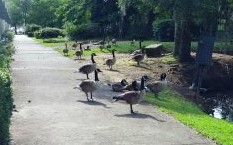
The other day, it was overcast and misty when I stepped out of the local YMCA to go home after a workout. I could hear the familiar sound of geese honking and I looked up to see where they were coming from or where they were going. I thought for a moment that they may have been above the clouds when suddenly they appeared from over a stand of trees, flying rather low but in formation. As they flew overhead, the familiar honking noise was like a conversation. Geese are known for doing this as if to encourage the leader but also to communicate the location of the rest of the flock. Scientists say that they mate for life and when one becomes injured or sick while in migration, at least one will fall back with that goose until either they are on the mend or die. In that moment I was reminded of an earlier scene in which a flock of geese inhabit a local area and I always enjoy watching how they tend to one another, look over the goslings and protect each other from outside threats. To some folks they are a nuisance because they can literally take over a highway, a pond a yard or a parking lot. I see them as community in action.
Biblically speaking, we are encouraged to restore others when they stumble, bear one another’s burdens and not grow weary in well-doing (Gal. 6:1-10). Unfortunately, we too often are quick to rip each other to shreds, talk bad about one another and leave people alone when they make mistakes. What if we paused for a minute and took a lesson from the geese; honk for one another, remain faithful in our relationships, supported one another and looked after each other as simply as the geese? What would it look like if we built our communities with the same kind of support network as the geese?
 ence or the eye of someone examining our work. The concept of light and dark is a common theme in spirituality as well. In Christianity we ascertain that Jesus is the Light of the world (John 1:6-10; 1 John 1:5). We are commanded to be light to the world, not hiding our faith (Matt. 5:14-16). But perhaps one of the most intriguing verses for me is found in Psalm 139. Here David is reflecting on the omnipotence and omniscience of God declaring that there is no place to hide from God, stating that he cannot even hide in the darkness because with God, there is no darkness (Ps. 139:11-12).
 ind for what promises to be a long few days of wind and rain.
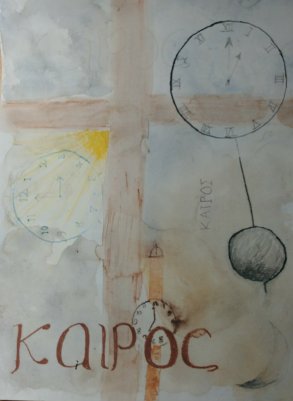 the earth around the sun. It is clearly where we get the idea of not only natural seasons but the chronological order of time in seconds, minutes, hours, days, months and years. Kairos, on the other hand, is more directly related to God’s timing especially in terms of fulfilling the prophetic, completing His will and purposes. None of these types of time can truly be controlled by mankind, yet here we are trying to control time with the turn of an hour hand on a clock or watch.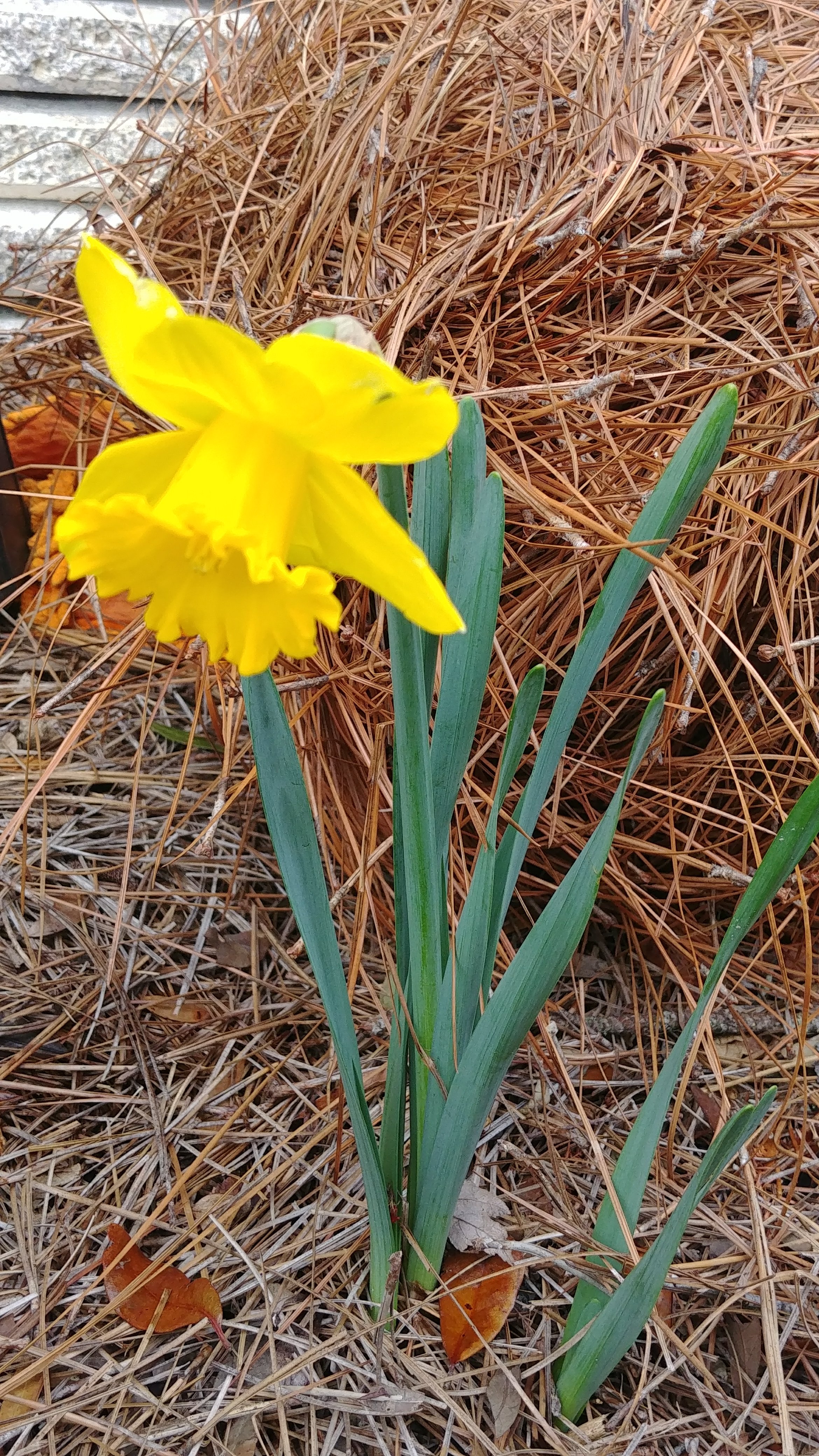


 Random Thoughts of an Ordinary Woman